What Makes a Door "Scandi"
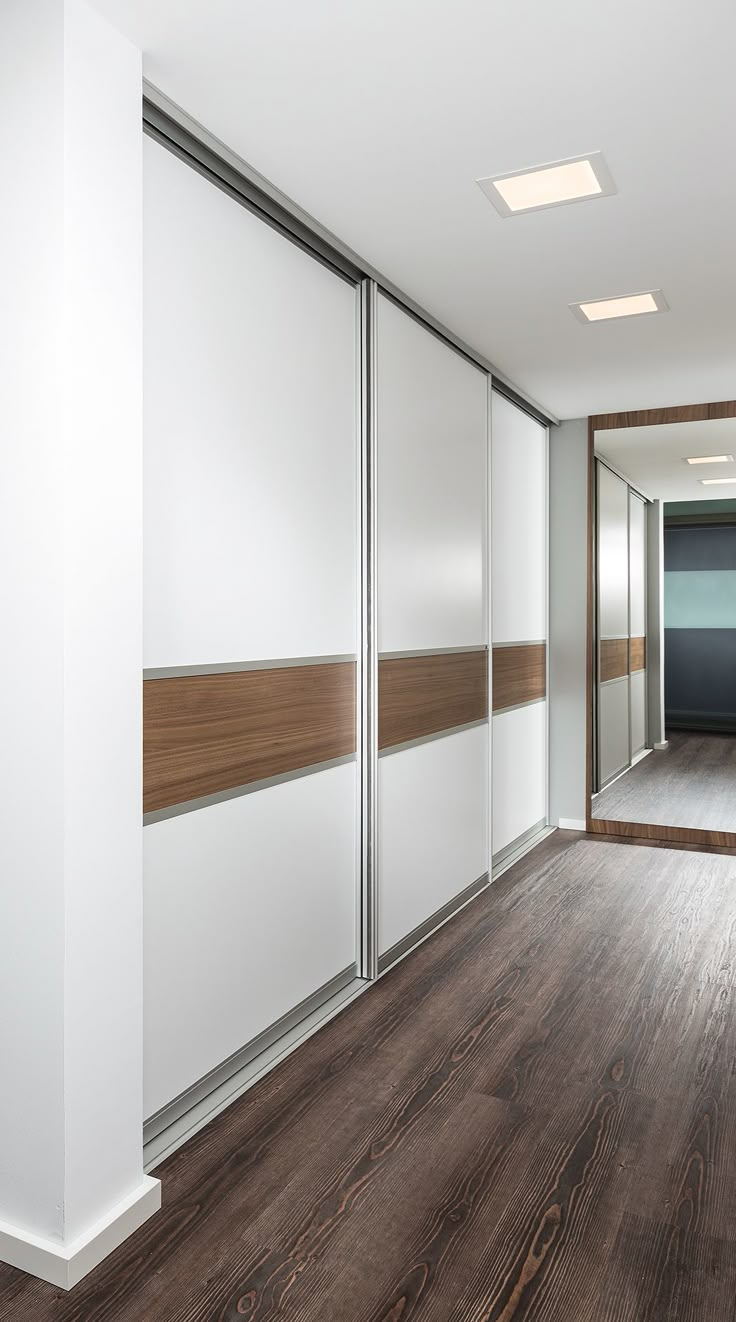
Every door in the range is built from the same idea: a repeating "bookend" tone paired with a second accent tone, arranged as horizontal bands across the panel. What changes between series is the proportion and position of those bands — an even two-panel split, three equal panels, a slim feature panel in the centre, a slim accent set low, or a near full-height panel trimmed with slim accent strips. It is the same considered, tailored construction as our split-panel doors, just applied to a wider set of layouts.
Six Series, Six Structures
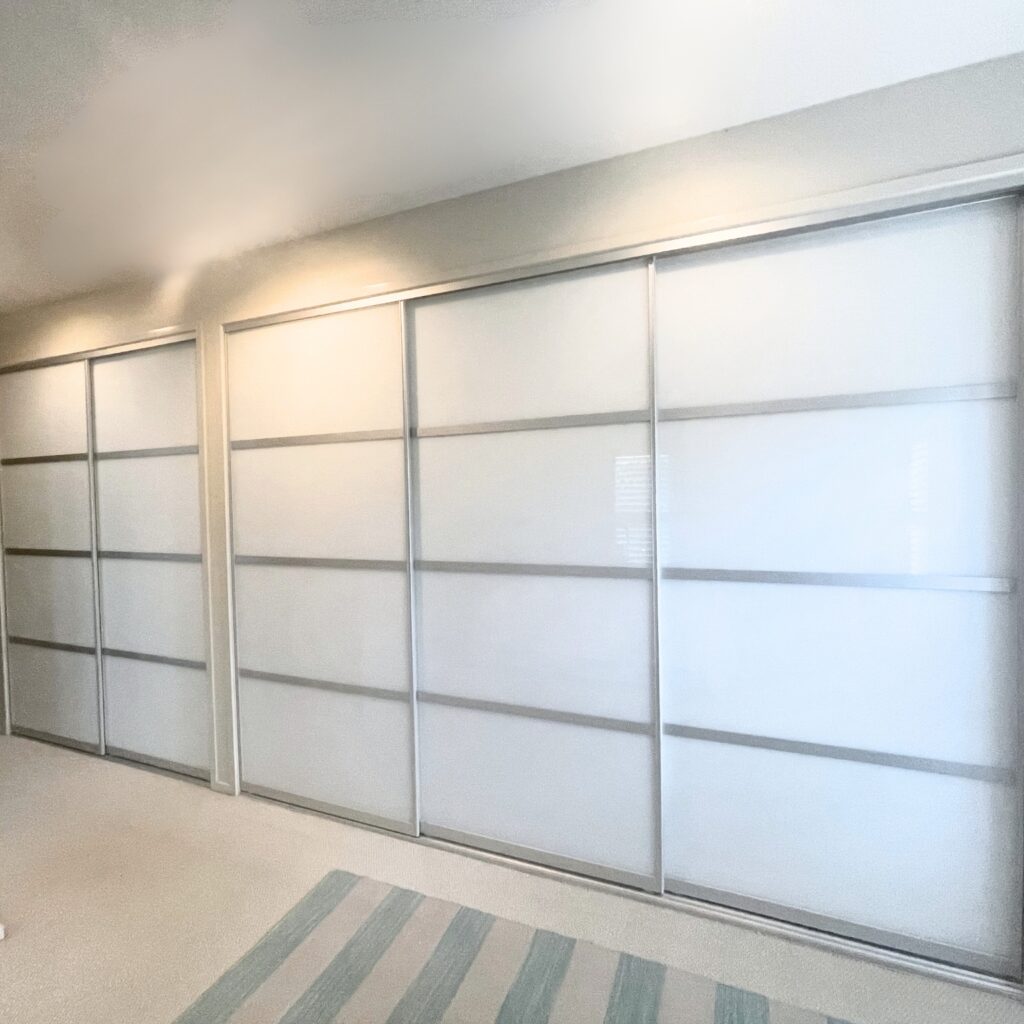
Siena divides each door into equal top and bottom halves with one horizontal divider. Milano divides the door into three equal horizontal panels. Pavia features a slim accent panel in the centre between two matching panels, while Capri features a slim accent panel in the lower third, beneath one large panel above. Torino pushes furthest, reducing the top and bottom to slim accent strips around a near full-height centre panel. Verona has four equal horizontal bands separated by three divider rails, with matching centre panels. These divider rails are not sliding tracks.
Glass, Timber, or Both
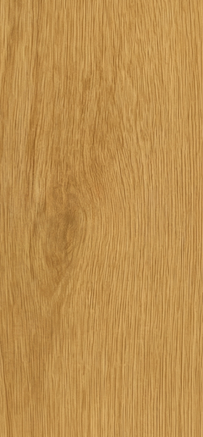
Every series is available as a glass-led pairing (two panels of glass with a woodgrain accent), a timber-led pairing (two woodgrain panels with a glass accent), a wood-and-wood pairing across two different timber tones, or a glass-and-glass pairing across two different glass tones — with the available combinations shown in the configurator.
A Calm, Uncluttered Palette
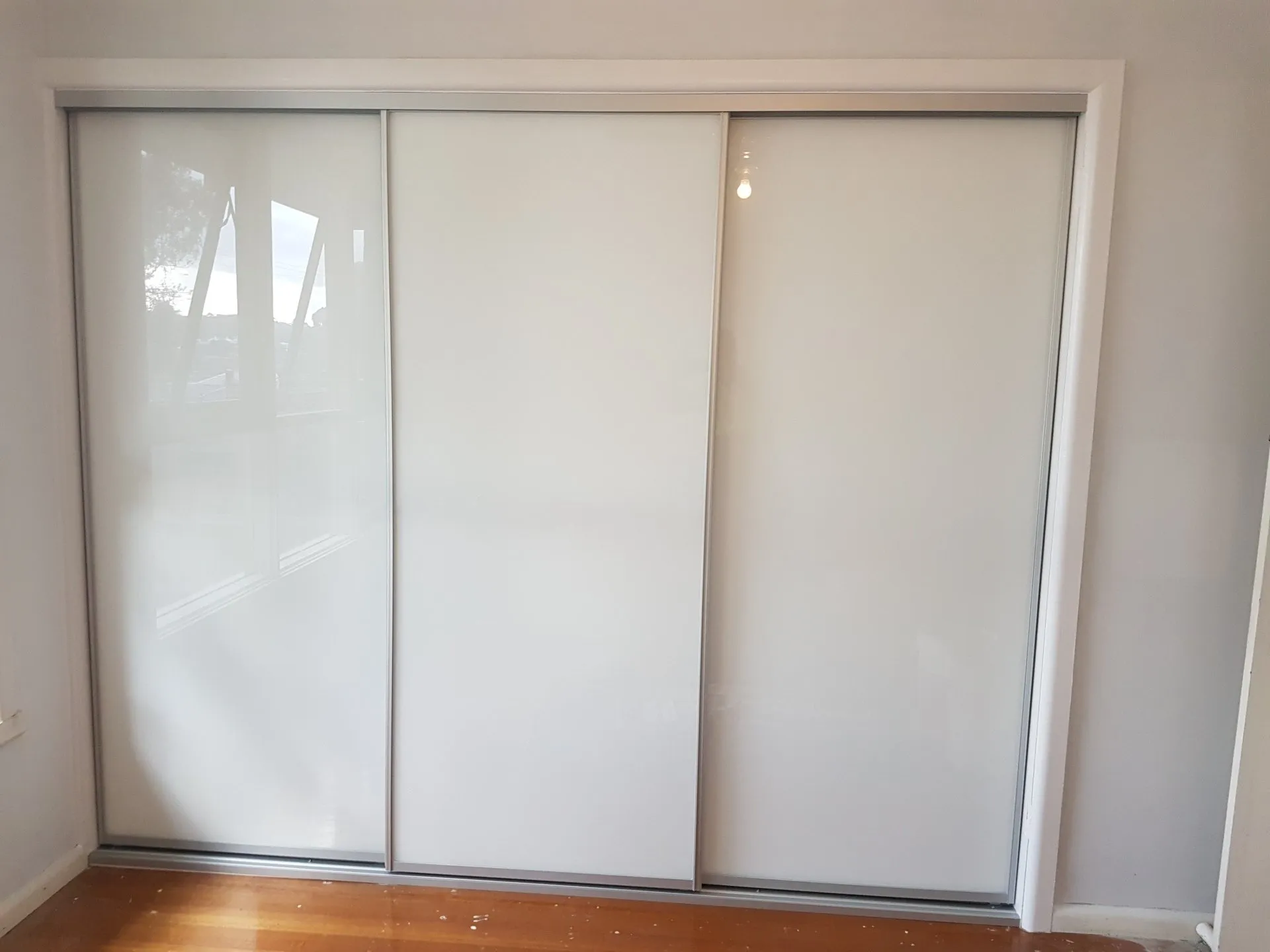
True to Scandinavian design, this range leans on light, natural materials rather than bold contrast — soft White Opti-Glass or Frosted Opal, pale Swiss Oak or warm Autumn Oak, and muted Grey Smokey mirror used only as an accent tone rather than a full panel. Keeping mirror restrained, instead of covering a whole panel, is what keeps the overall look tranquil and cohesive rather than busy.
Where It Works Best
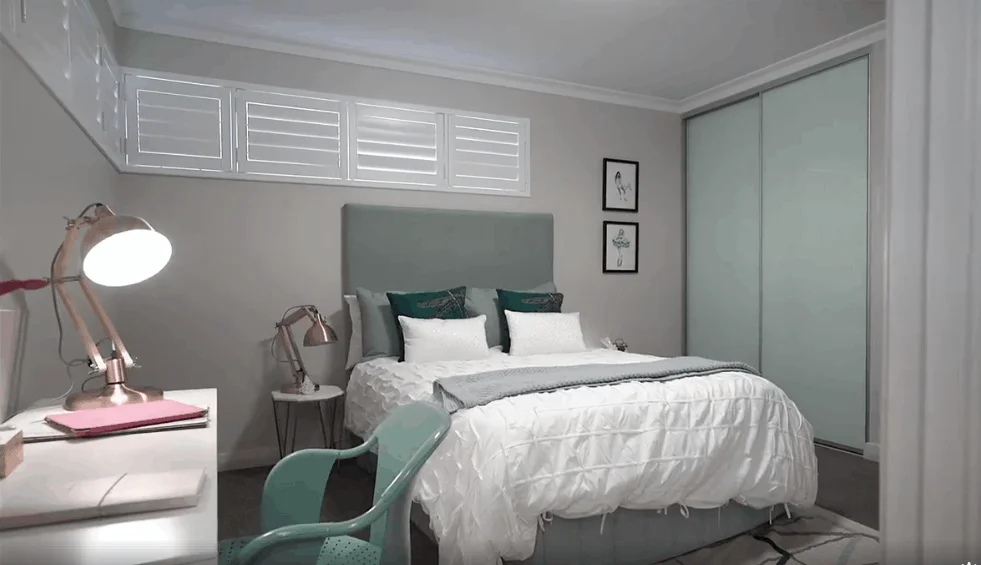
The Scandi look suits bedrooms built around light timber flooring, white or soft grey walls, and an otherwise minimal, uncluttered palette. Because the design reads as calm and understated rather than a statement piece, it sits comfortably alongside Scandinavian, Japandi and contemporary coastal interiors.
Frequently Asked Questions
What is a "Scandi" or Scandinavian-style wardrobe door?
It is a sliding door built from horizontal bands of two tones — a repeating bookend tone and a second accent tone — arranged into one of six named layouts (Siena, Milano, Pavia, Torino, Capri or Verona), rather than a single fixed pattern.
What is the difference between the six series?
Each series is a different band structure: Siena is an even 50/50 split, Milano has three equal panels, Pavia has a slim accent panel in the centre, Capri uses a slim divider set low, Torino uses slim accent strips around a near full-height centre panel, and Verona has four equal horizontal bands with three divider rails.
Can I choose which material is the accent tone?
Yes. Every series is offered as a glass-led pairing, a timber-led pairing, a wood-and-wood pairing, or a glass-and-glass pairing, so you can decide which tone leads and which is the accent.
Does the Scandi look work with mirror?
It can, though true to the style we would recommend using mirror sparingly, as an accent tone rather than a full panel, to keep the look calm and uncluttered.
Ready to design your wardrobe doors?
Configure your exact sizes, frame colour and door count, and get an instant price.